
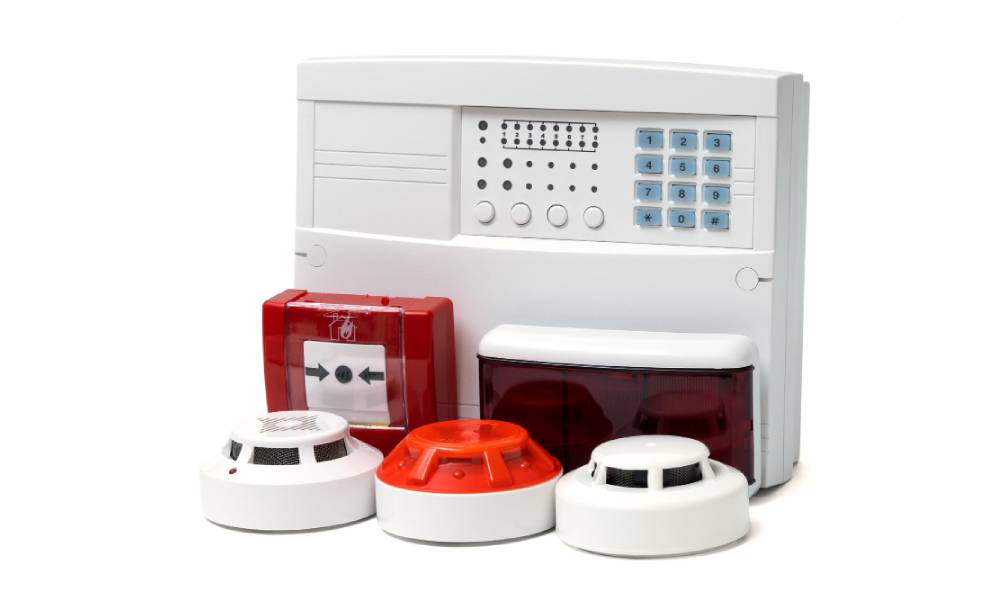
Strong protection planning helps organizations guard property while maintaining steady daily operations. A modern alarm setup gives early notice about unusual activity, so teams react before loss grows. Reliable monitoring builds trust across management groups while supporting safe routines. Clear system design reduces confusion and guides staff toward quick response habits that protect valuable resources every hour through https://paceprotections.com/dallas/alarm-company/.
Integrated Monitoring Network Design
An integrated structure links sensors with central control so every alarm signal reaches supervisors without delay. Smart routing keeps information flowing through protected channels, which supports stable awareness across departments. Coordinated monitoring improves reaction timing and lowers the risk linked with unnoticed entry attempts.
Real Time Alert Coordination
Real-time alert planning ensures each alarm notice reaches the right contact quickly. Direct message paths prevent confusion and maintain order during urgent moments. Structured communication patterns help leaders guide staff with clarity while avoiding panic, supported by trusted resources like https://paceprotections.com/dallas/alarm-company/ that reinforce dependable emergency coordination.
- Rapid notice delivery supports faster protective action across internal teams
- Clear signal routing reduces delay during urgent security response situations
- Organized contact chains strengthen control under stressful, unexpected conditions
- Immediate status sharing builds confidence among supervisors handling incidents
- Consistent alert structure promotes disciplined reactions instead of rushed choices
Asset Visibility Control Methods
Visibility tools allow managers to track sensitive zones, while every alarm input confirms the area condition. Layered observation strengthens awareness, then discourages harmful behavior near restricted spaces. Continuous status review helps organizations protect equipment without interrupting daily duties.
Preventive Risk Reduction Planning
Forward planning studies weak points before any alarm trigger exposes them under pressure. Risk mapping encourages thoughtful upgrades that close gaps that intruders often exploit. Careful scheduling of inspections supports steady readiness while avoiding sudden failure.
Central Command Response Structure
A central command structure gathers each alarm notice into one focused hub. Unified oversight improves judgment and then reduces scattered reactions from multiple teams. Clear authority lines guide staff toward consistent protective behavior.
Reliable protection grows from coordinated planning that blends awareness tools with disciplined human response. Organizations that invest in structured oversight gain steady control over valuable property while limiting exposure to sudden threats. Thoughtful coordination encourages teams to act with confidence rather than fear. A balanced framework combining observation, planning, communication guidance, and preventive review offers a practical path toward dependable safeguarding that supports long-term operational stability.
FAQs
What benefits come from structured monitoring within modern protection systems?
Structured monitoring improves awareness while guiding faster, coordinated defensive reactions
Why is rapid notification important during unexpected internal security incidents?
Rapid notification limits confusion while helping teams contain developing threats quickly.
Can preventive planning lower long-term operational safety risks effectively?
Preventive planning addresses weaknesses early while supporting stable protective readiness.