
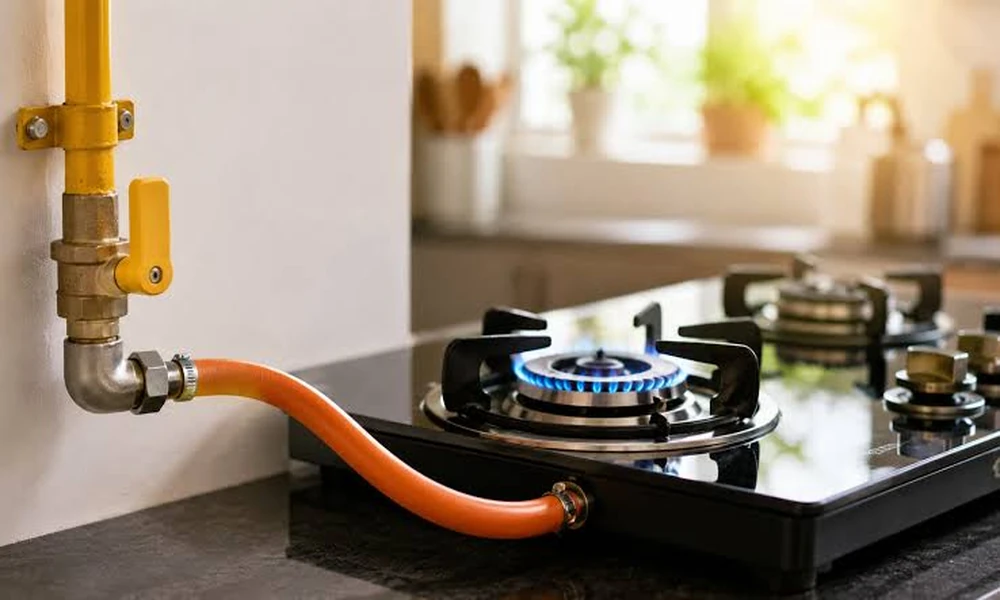
New buildings need a reliable energy supply before daily activities begin. A suitable gas connection supports cooking, heating, and other household or commercial tasks. Arranging the necessary work during construction helps owners prepare the property for regular use. Coordination with qualified professionals allows installation tasks to fit the building schedule. Before moving in, owners can learn about the required approvals and procedures to connect gas to house.
Arranging Connections During Construction
Early coordination allows building owners to include suitable pipe routes within the original design. Working with builders helps position connection points near intended appliance locations. This preparation also supports efficient scheduling before walls and finishing surfaces are completed.
· Confirm expected energy needs before finalising building designs.
· Mark suitable appliance positions for convenient daily operation.
· Submit connection requests while construction activities continue.
· Discuss access arrangements with the building supervisor.
· Keep required documents ready for the installation team.
Meeting Installation Requirements
Every property needs suitable arrangements before a new supply can begin. Qualified professionals can review pipe placement, appliance requirements, and applicable safety rules. Building owners should confirm that the proposed work follows relevant regulations. Proper preparation helps installation proceed smoothly while supporting dependable operation.
Commercial premises may require additional arrangements because their energy demands can differ from household needs. Early communication helps determine suitable provisions for kitchens or designated work areas.
Preparing Suitable Pipe Routes
Well-arranged pipe routes provide convenient access for inspection and maintenance. With the approved entry point and internal arrangements confirmed, owners can connect gas to house with greater convenience and confidence. Qualified installers assess suitable pathways while coordinating their work with other construction activities. This approach helps reduce changes after walls and fixtures are completed.
Pipe placement should match the approved building design. Important installation requirements include:
· Keep proposed routes accessible for future inspection and repairs.
· Position connection points near approved appliance locations.
· Maintain suitable clearance around existing building equipment.
· Confirm pipe specifications with qualified installation professionals.
· Arrange inspections before completing concealed pipe sections.
Coordinating Approvals and Inspections
Approval procedures help confirm that a property meets the required standards before supply begins. Owners should submit requested documents promptly while maintaining contact with the relevant provider. Inspection dates can be arranged around construction progress. Clear records also help contractors identify the tasks remaining before the property becomes ready.
Commercial owners should allow sufficient time for additional assessments when their premises require specialised arrangements. Completing each required check supports an orderly handover and reduces avoidable delays.
Completing Property Readiness Checks
A proper handover allows owners to confirm that installation work has been completed. Qualified professionals can inspect approved fittings, conduct necessary tests and explain safe operating procedures. Building managers should retain relevant records for future reference. These steps prepare the property for regular use once the authorised supply becomes available.
Owners can improve readiness by confirming outstanding work with contractors before arranging occupancy. Clear responsibilities help everyone understand which tasks must be completed before the building begins operating.
Establish a completion schedule with the responsible professionals before occupying the property. Confirm that inspections are complete and operating instructions have been understood. Keep approval records available for future reference. This organised approach helps homeowners and business owners prepare their buildings for dependable energy access while supporting a smoother transition from construction to everyday use.
FAQ
When should owners request a connection for new buildings?
Owners should apply early to coordinate installation with construction progress.
Who should install pipes inside newly constructed properties?
Qualified professionals should complete installation according to applicable safety requirements.
Which documents are needed for connection approval?
Required documents vary, so confirm details with the relevant provider.