
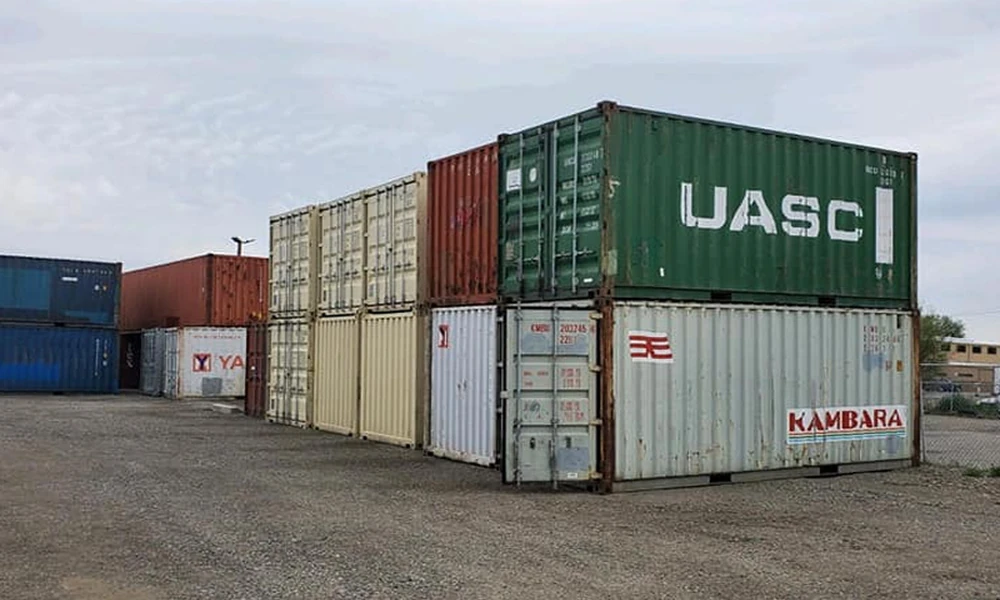
You want a clear answer without a maze of specs. I help buyers and renters match container size to real-world needs, and I base my guidance on what fits, site limits, and budget control. In this piece I break down the space inside a 20-foot unit, show you simple sizing checks, flag common mistakes, and explain when moving up to a 40-foot unit makes sense. I also point you to a dependable Montana option with strong availability and delivery support, which saves you time during planning. If you need a starting point, review this local 20 foot shipping container for sale inventory from MoCan Containers.
My goal is to help you decide in minutes, not weeks, whether a 20-foot container fits your use case and your site.
Why the Size Question Matters
A right-size container controls cost, delivery complexity, and daily access to your items. A unit that is too small forces extra trips or additional rentals. A unit that is too large increases placement demands and total cost.
Your decision comes down to what you store, how often you access it, where you can place the unit, and how long you plan to keep it.
What You Actually Get Inside a 20-Foot Container
A standard 20-foot shipping container from MoCan Containers offers interior dimensions of about 19 feet 4 inches long, 7 feet 10 inches high, and 7 feet 8 inches wide.
That footprint fits well on most residential driveways, tighter job sites, and smaller yards. You can stack pallets along one wall, build simple shelves, or add bins to use vertical space.
If you plan to walk the center aisle and reach items often, expect to use roughly 70 to 80 percent of total space. If you load for storage only and plan few visits, you can pack closer to full capacity, especially with pallets and a clear loading plan.
Use Cases That Fit a 20-Foot Unit
Here is where a 20-footer shines. I suggest you match your needs to one or two of these patterns.
- Residential storage
- Contents from a 2 to 3 bedroom home during a remodel or move
- Seasonal gear, tools, yard equipment, bikes, and skis
- Small workshop setup with shelves and a workbench
- Business and retail
- 8 to 12 standard pallets of boxed inventory, depending on pallet height
- Seasonal overflow or event equipment
- Archive boxes on racks with a central aisle
- Construction and trades
- Tools, ladders, job boxes, and consumables
- Bundles of lumber, piping, and fasteners with labeled shelves
- Small equipment such as compactors or generators
- Agriculture and ranch
- Seed, feed, fencing supplies, and irrigation parts
- ATV or small UTV with tools and spares
- Secure storage for fuel cans and sensitive supplies
- Custom projects
- Compact office, studio, or shop build-out
- Secure gear locker near trailheads or fields
- Hobby space with benches and cabinets
If you see your plan here, a 20-foot unit likely meets your need with room to organize.
When You Should Move Up to 40 Feet
Pick a 40-foot unit if you match any of these:
- You need near double the storage of a 20-foot unit, or you want wide aisles and long shelves.
- You store oversized equipment, long steel, or large inventory that loads by forklift from both sides.
- You expect fast growth in stored items over the next year.
MoCan Containers offers 40-foot units with interior length near 39 feet 5 inches and height near 8 feet 10 inches. Rental rates start at $190 per month, which can be cost-effective compared to renting two 20-foot units.
Placement and Delivery Realities
A good fit on paper fails if the truck cannot place the container. I always ask clients to confirm access first.
- A 20-foot unit generally needs about 70 feet of clear, straight space for tilt-bed delivery.
- Level ground improves door function and drainage.
- Avoid soft soils. Crushed gravel pads or timber runners help keep the floor dry and level.
- Check overhead lines, tree limbs, and tight turns near gates.
If your site is compact, a 20-footer gives you more placement options and less site prep.
Rent or Buy
Make the call based on time horizon and customization.
- Rent if you need short-term storage for a remodel, a move, seasonal inventory, or a defined project window. MoCan’s 20-foot rental rates start at $150 per month, which keeps upfront cost low.
- Buy if your need is permanent or you want to add shelves, insulation, power, or cut openings.
If you are unsure, rent for a few months and track how you use the space. If it works, you can switch to purchase with confidence.
New One-Trip or Used
Both are viable. Here is how I frame it.
- One-trip new
- Minimal wear, tight seals, fresh paint
- Best choice for offices, visible locations, or long-term projects
- Used
- Lower price, still wind and watertight
- Expect cosmetic dents or surface rust
- Perfect for tool storage, farm use, and back-of-property placements
MoCan Containers inspects each unit for security and weather resistance. You can also choose the exact unit at their yard, which reduces surprises on delivery.
Why I Recommend MoCan Containers
They are locally owned, with large inventory across Billings and the Bozeman area. That matters for two reasons. First, you can find the right size and condition without long waits. Second, their delivery team knows Montana sites and can place containers where others will not try.
They stock both 20-foot and 40-foot units, new and used, and each unit is checked for wind and watertight performance. Their focus on quality, clear pricing, and professional placement makes planning simpler. If you need modifications for a workshop, office, or specialty use, they can handle doors, windows, insulation, or other changes.
Quick Sizing Checklist
Use this five-minute test to lock your decision.
1. List what you will store, then group items by pallet, shelf, or floor space.
2. If you need an aisle for daily access, assume 20 to 30 inches down the center.
3. Measure your site access and confirm at least 70 feet of straight, clear space.
4. Choose rent if under six months, buy if over a year or if you will customize.
5. If your list fills more than 75 percent of a 20-foot unit on paper, consider the 40-foot.
The Bottom Line
For most residential, small business, construction, and ranch needs, a 20-foot container is the practical, efficient choice. It fits tight sites, carries a surprising amount of gear, and keeps costs manageable.
If you need extra headroom for growth or large equipment, step up to a 40-foot unit. If not, a 20-foot container will serve you well, especially with a proven Montana provider like MoCan Containers that can deliver, modify, and support your project from start to finish.